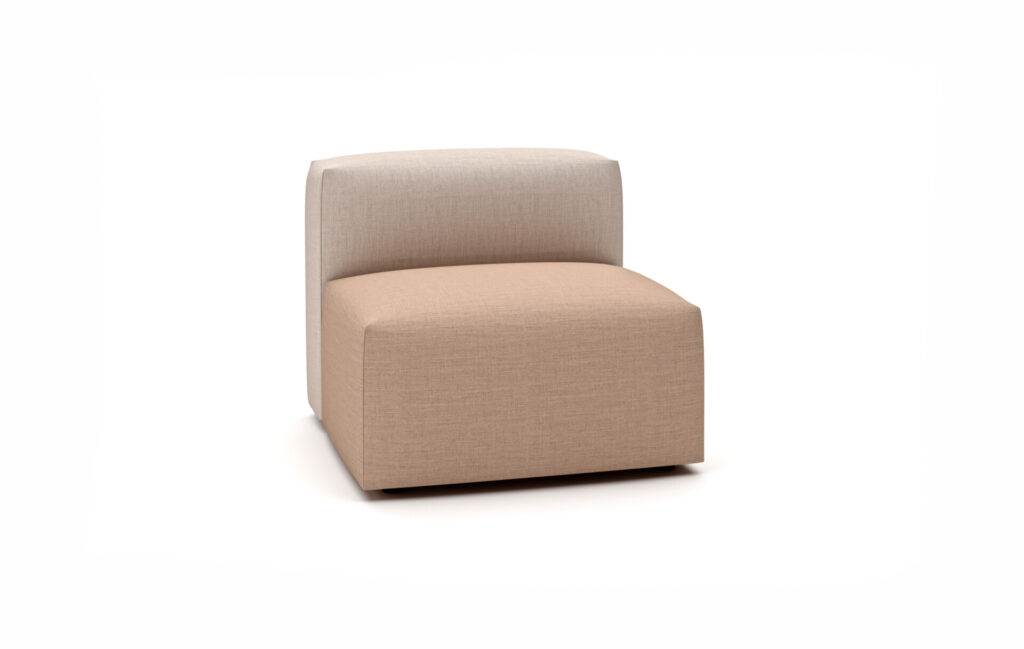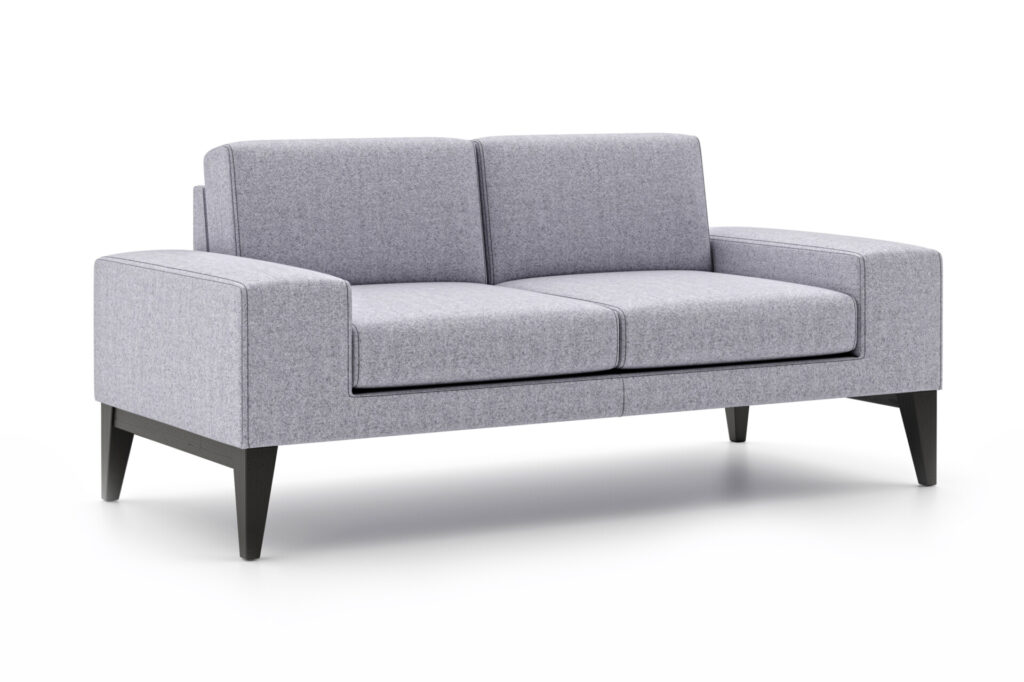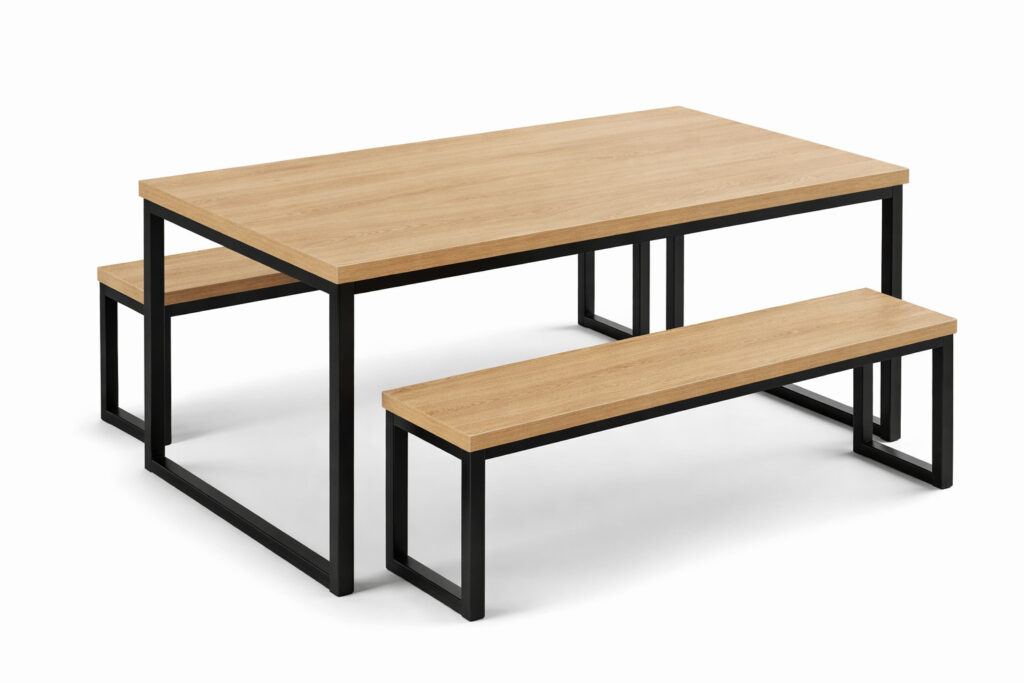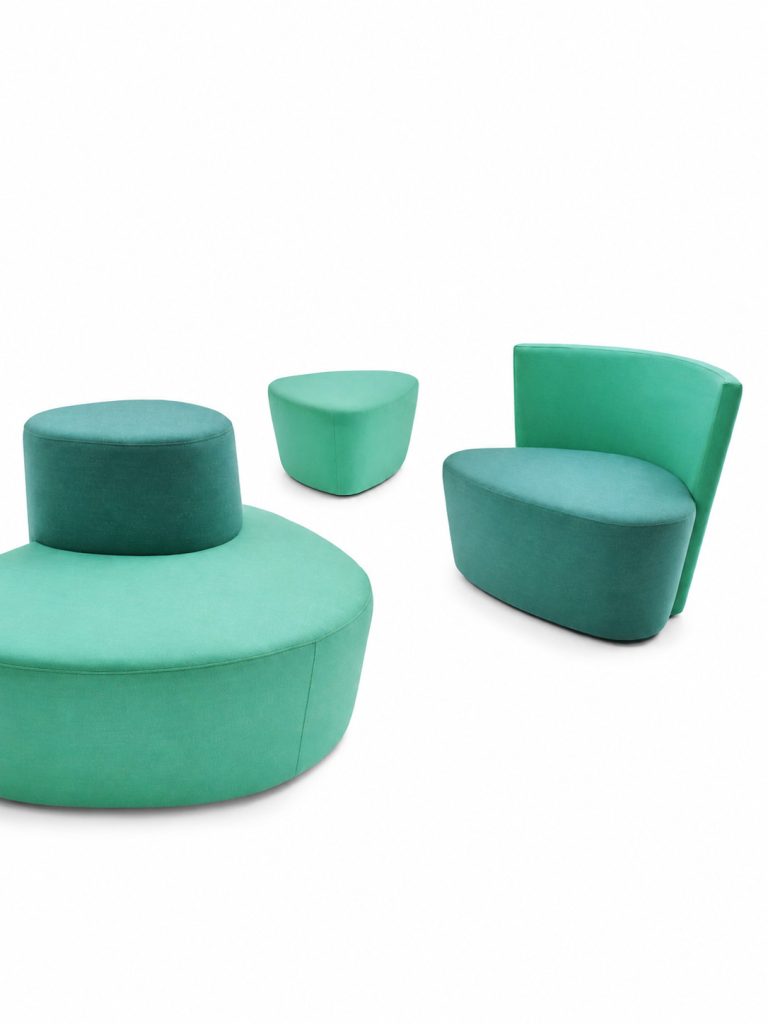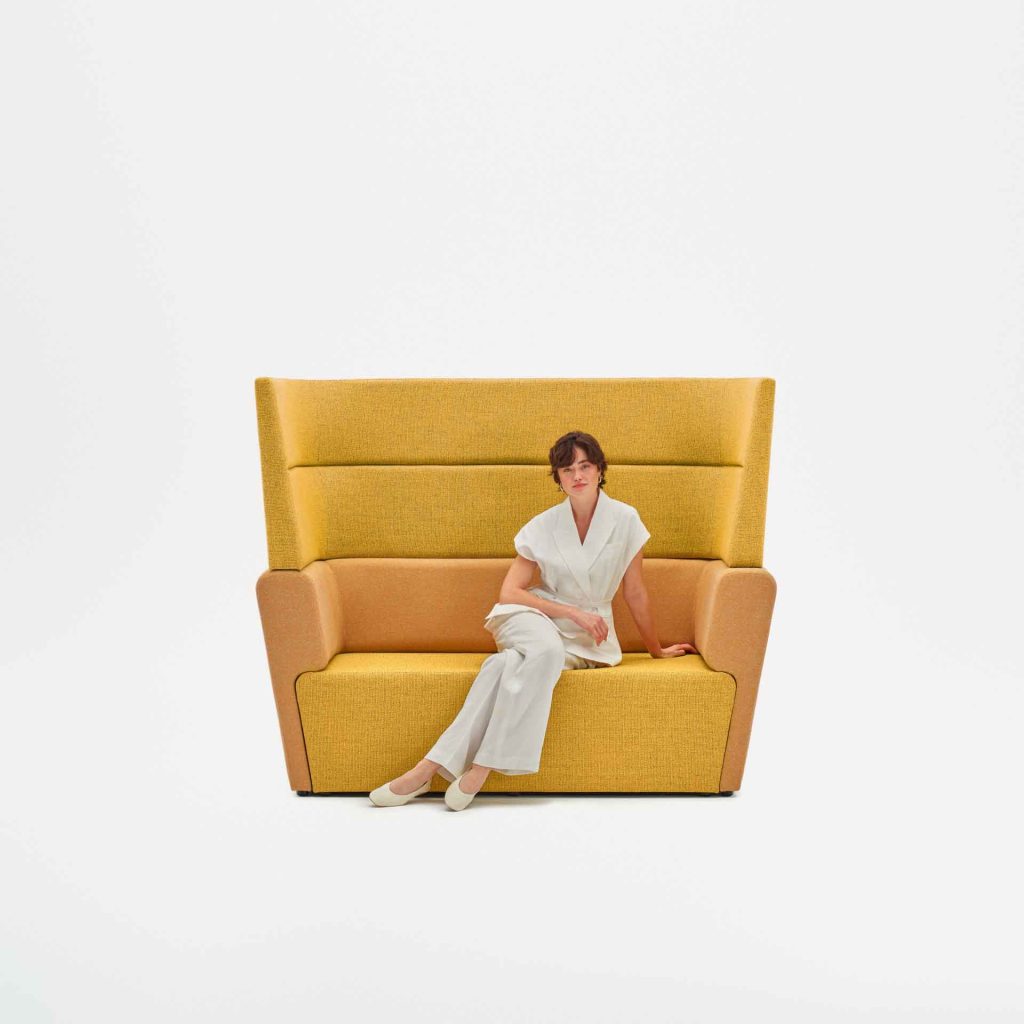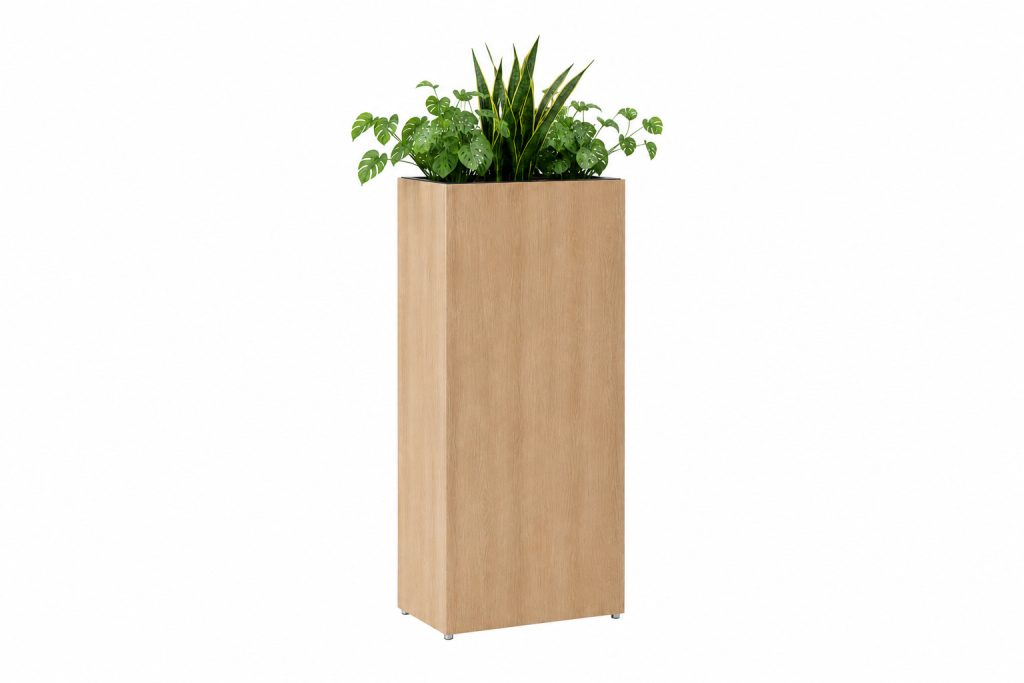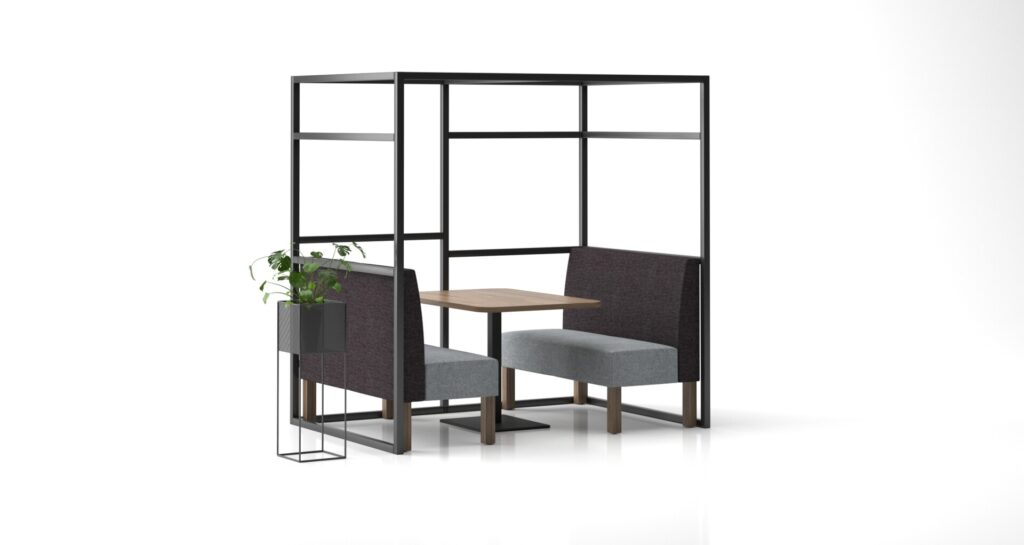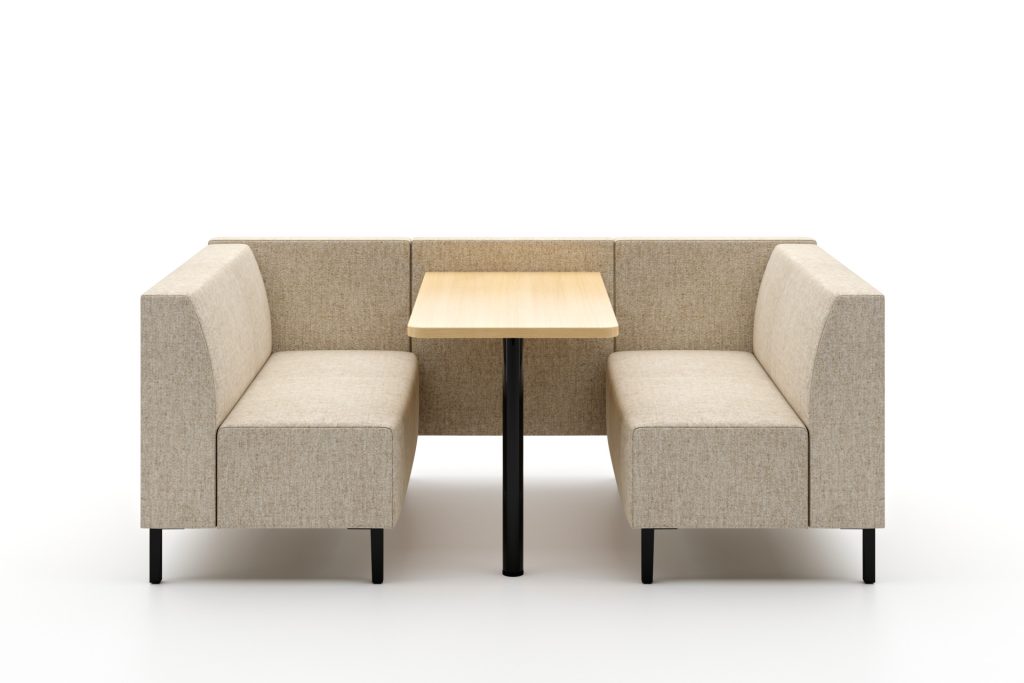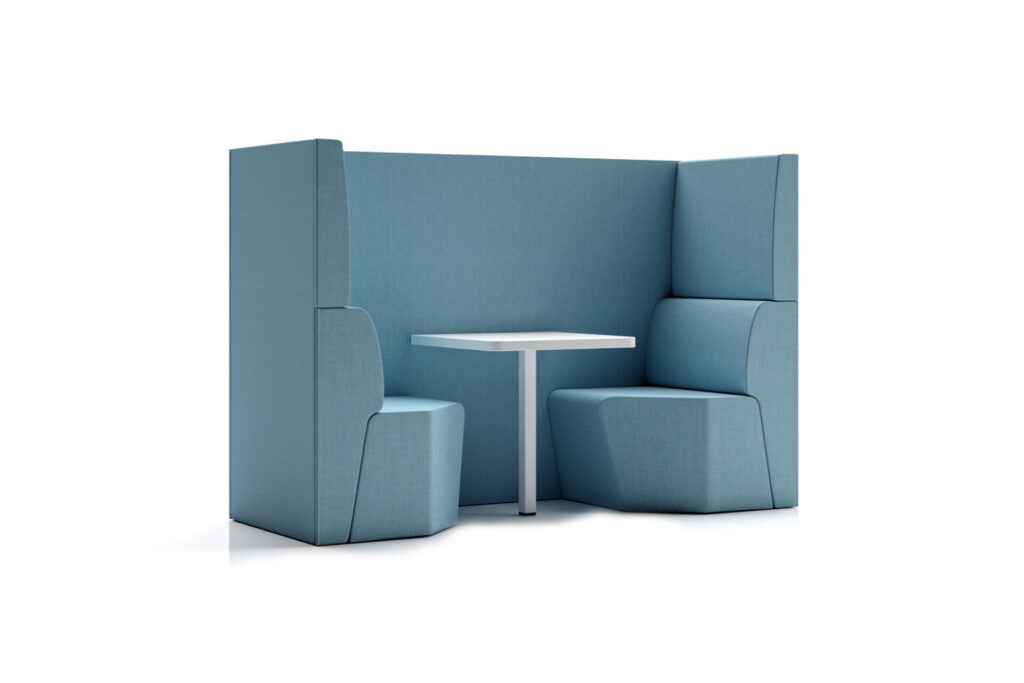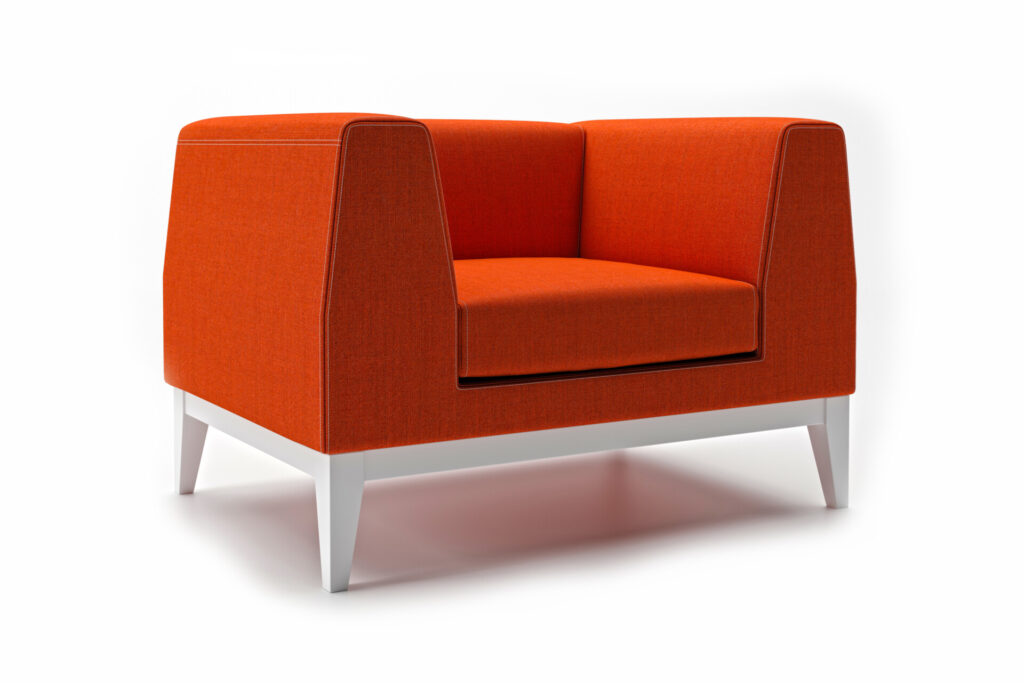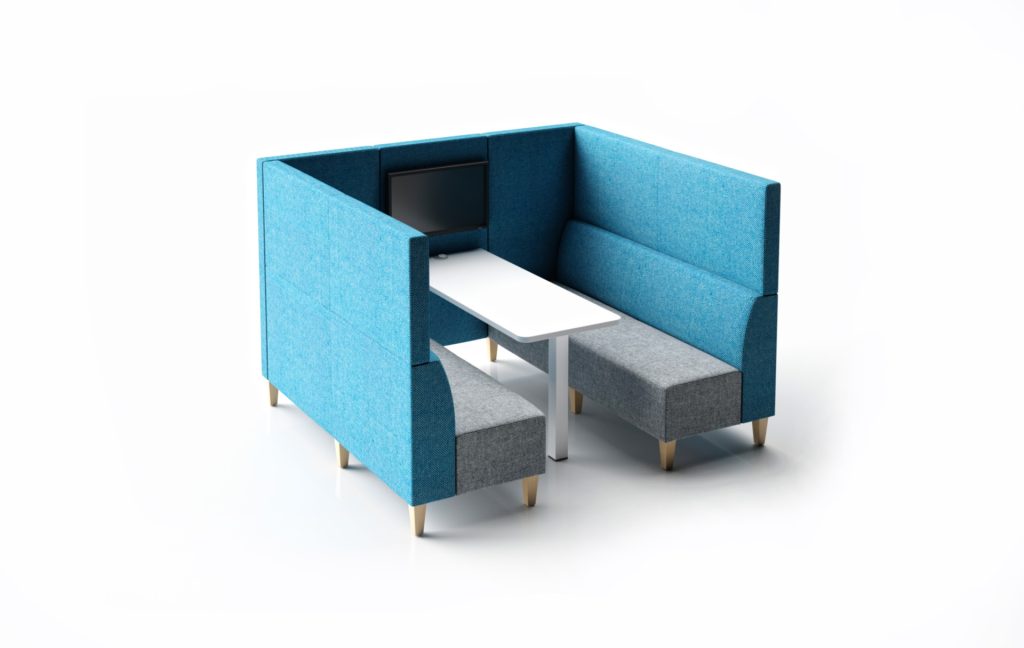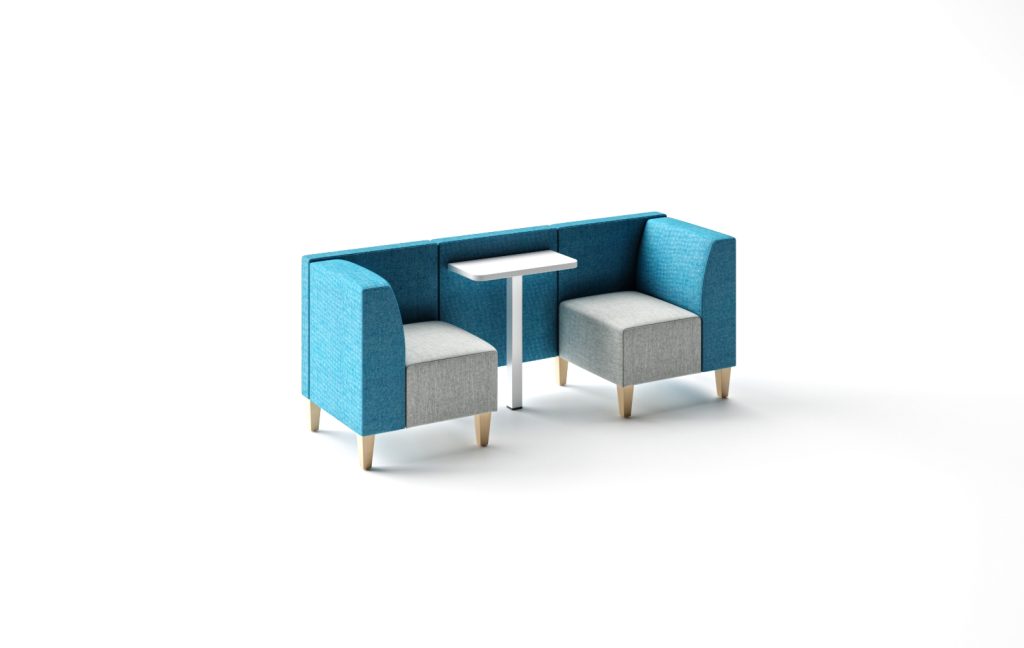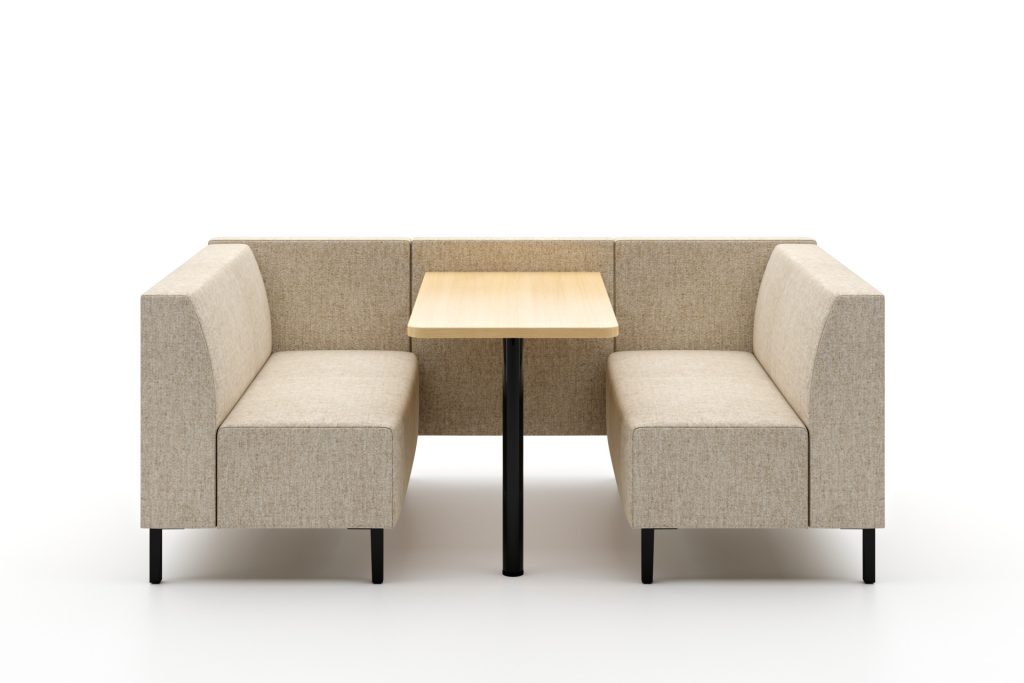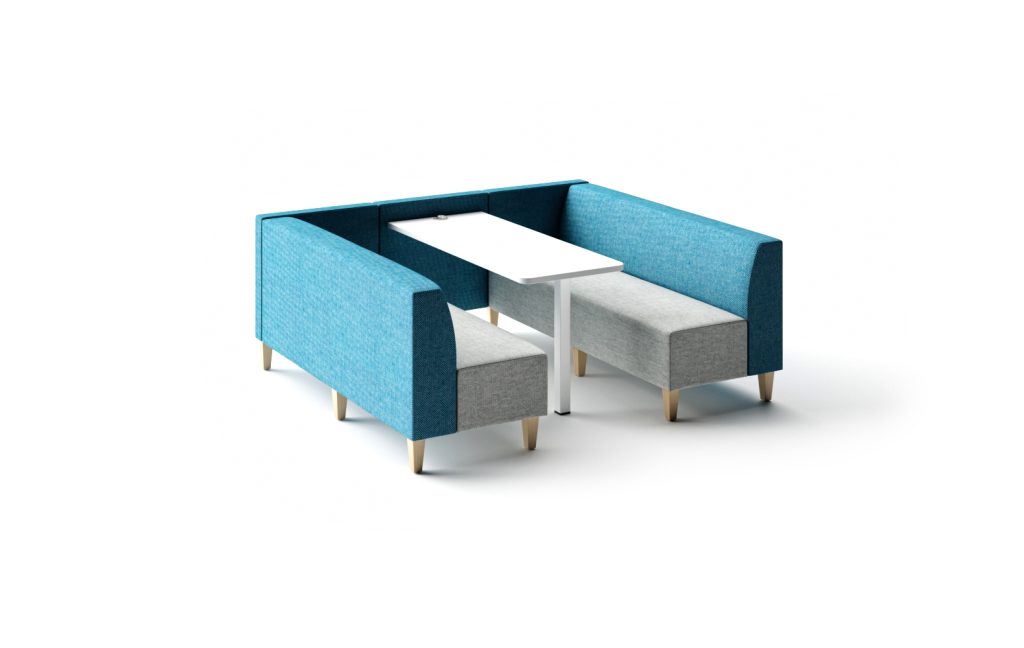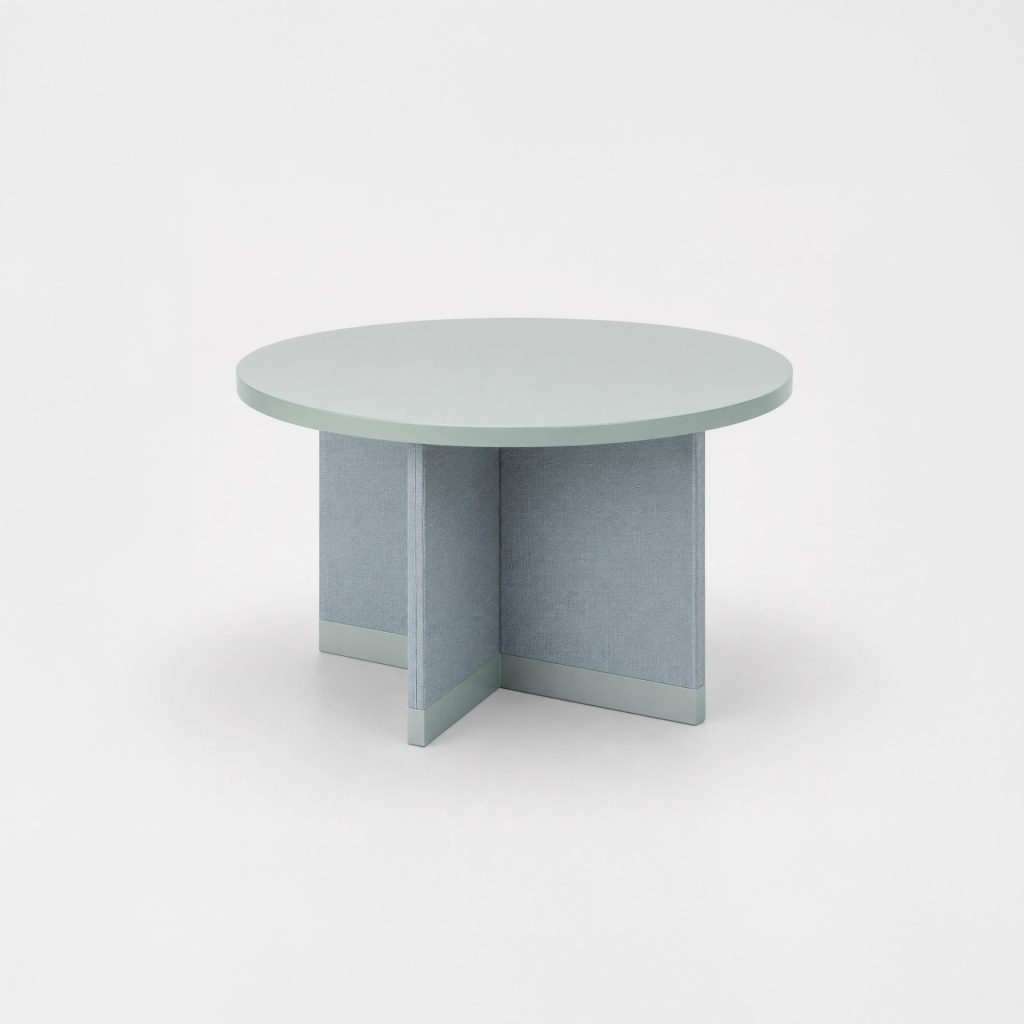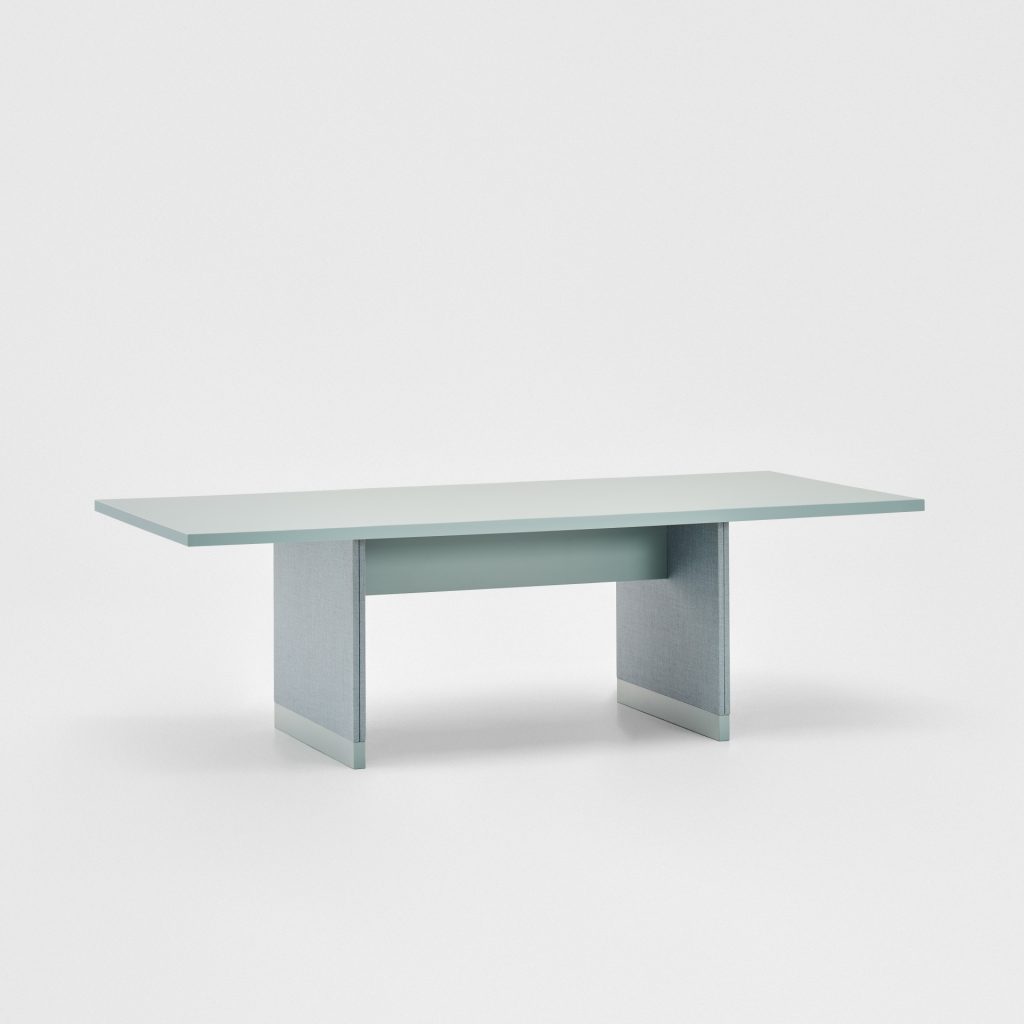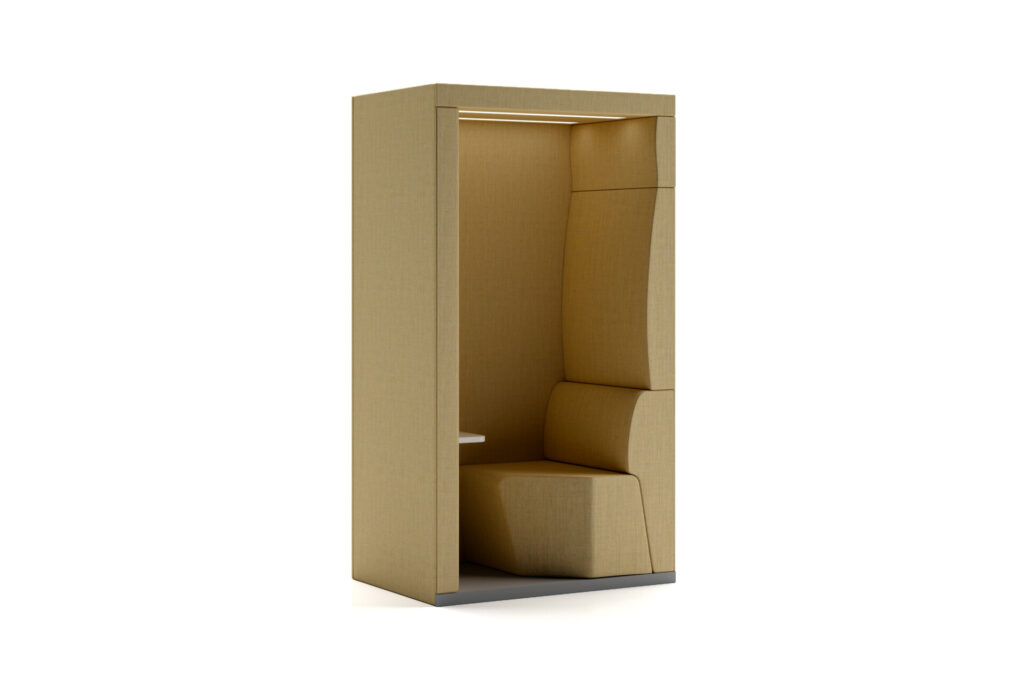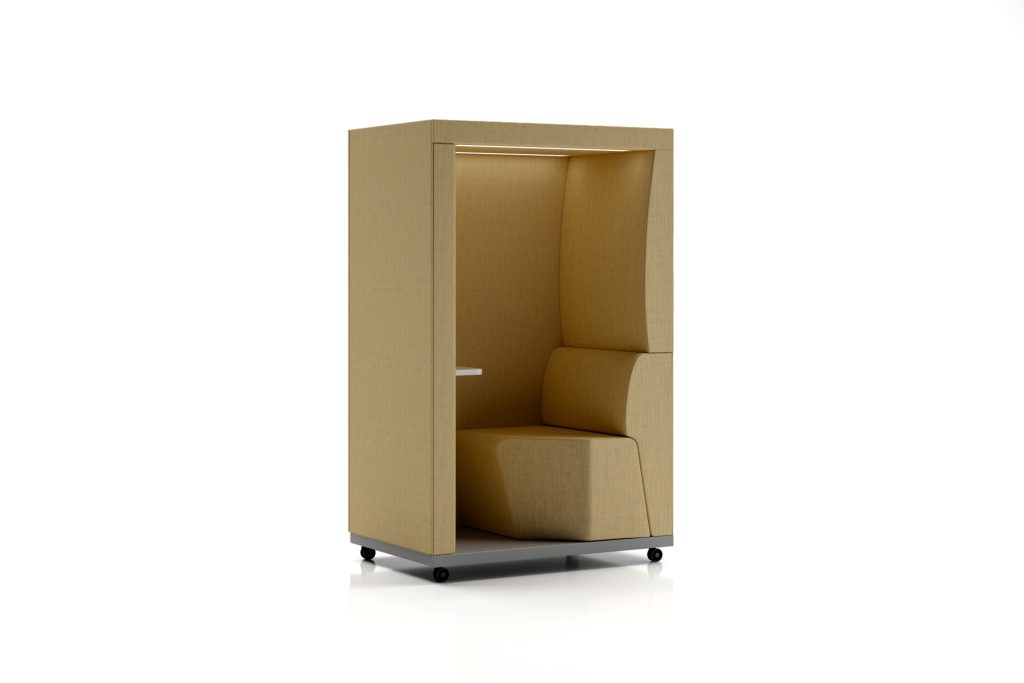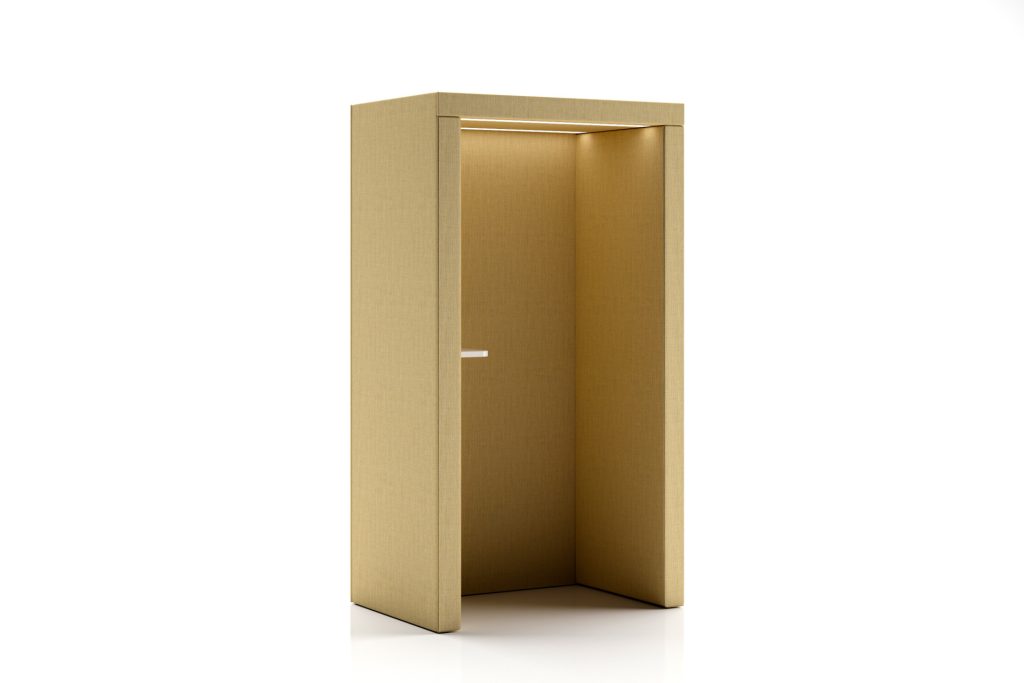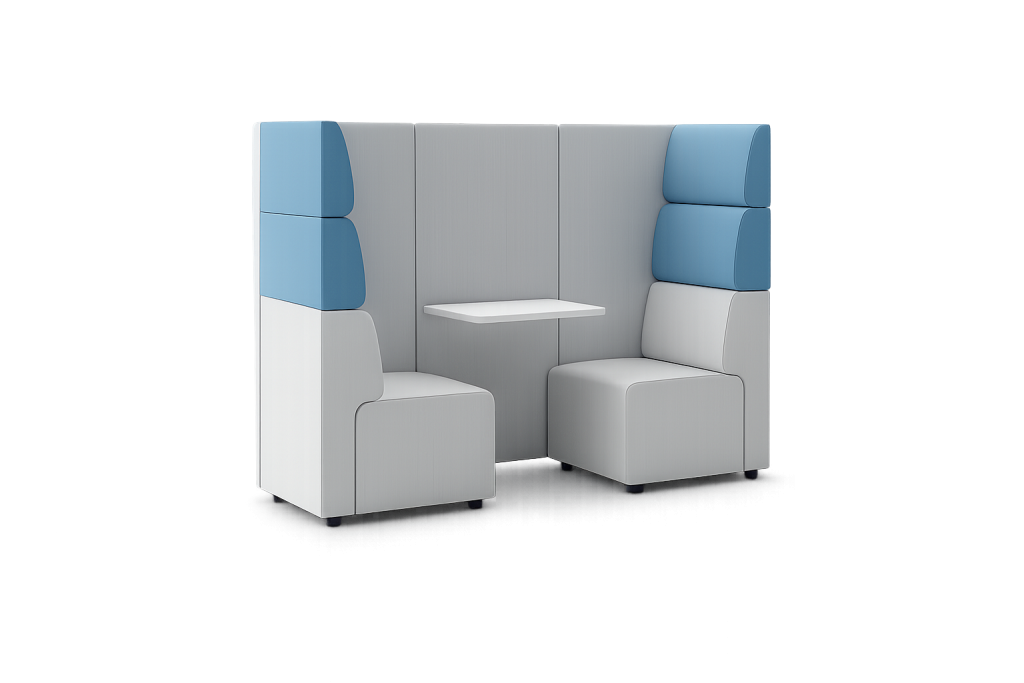


Breakout furniture creates essential breathing room within the working day – informal zones where the mind can shift gear between periods of focused effort. These spaces support micro-regeneration, casual conversation and the kind of unplanned collaboration that rarely happens at a desk. Well-designed breakout seating acknowledges that productivity isn't constant; it ebbs and flows, and the workplace should accommodate both.
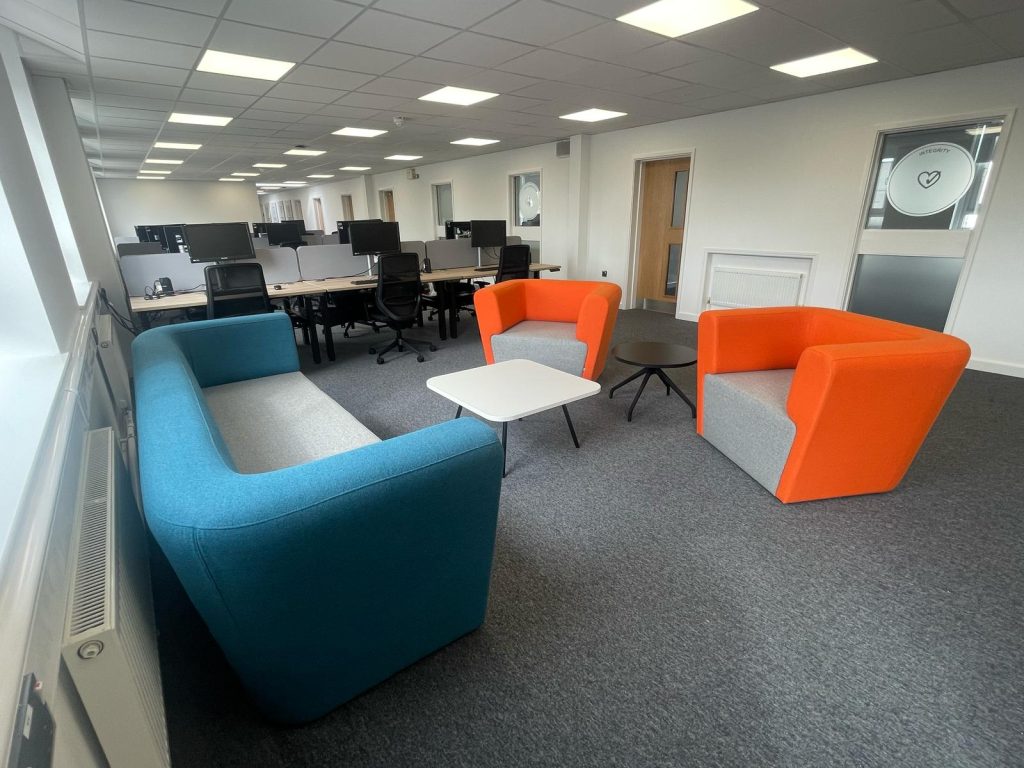
The human brain isn’t designed for sustained concentration without pause. Research consistently shows that brief periods of mental disengagement – even just a few minutes – restore attention and reduce cognitive fatigue. Breakout office furniture provides the physical infrastructure for these essential pauses, offering somewhere genuinely different from the workstation. The shift in posture, acoustics and visual environment signals to the nervous system that it’s time to reset. Without dedicated breakout areas, people default to eating at their desks or stepping outside entirely – neither of which supports the kind of restorative break that benefits both individual wellbeing and organisational performance.
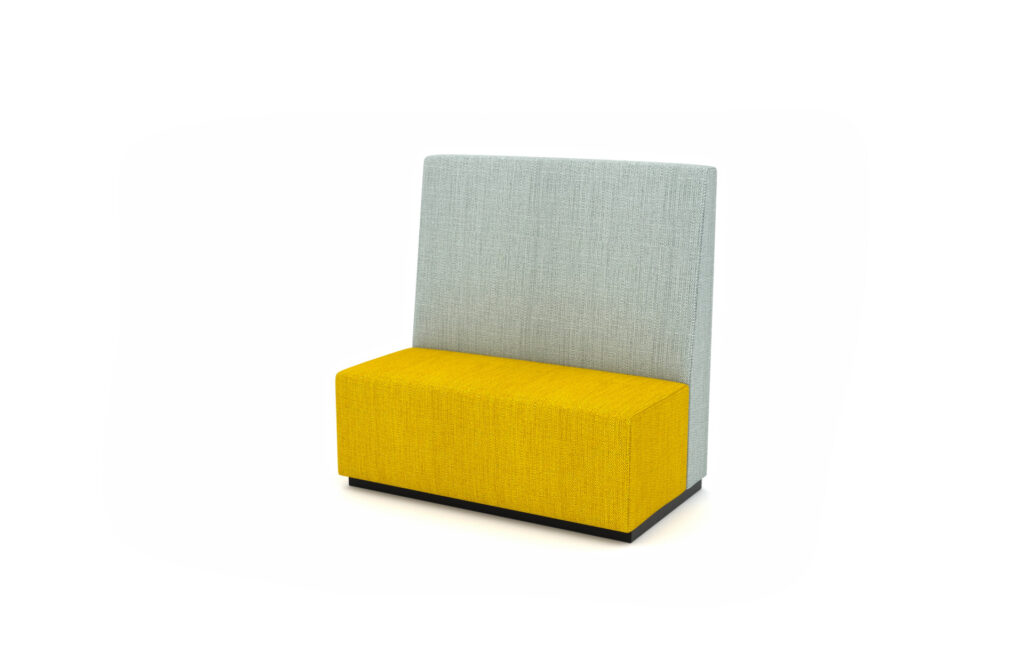
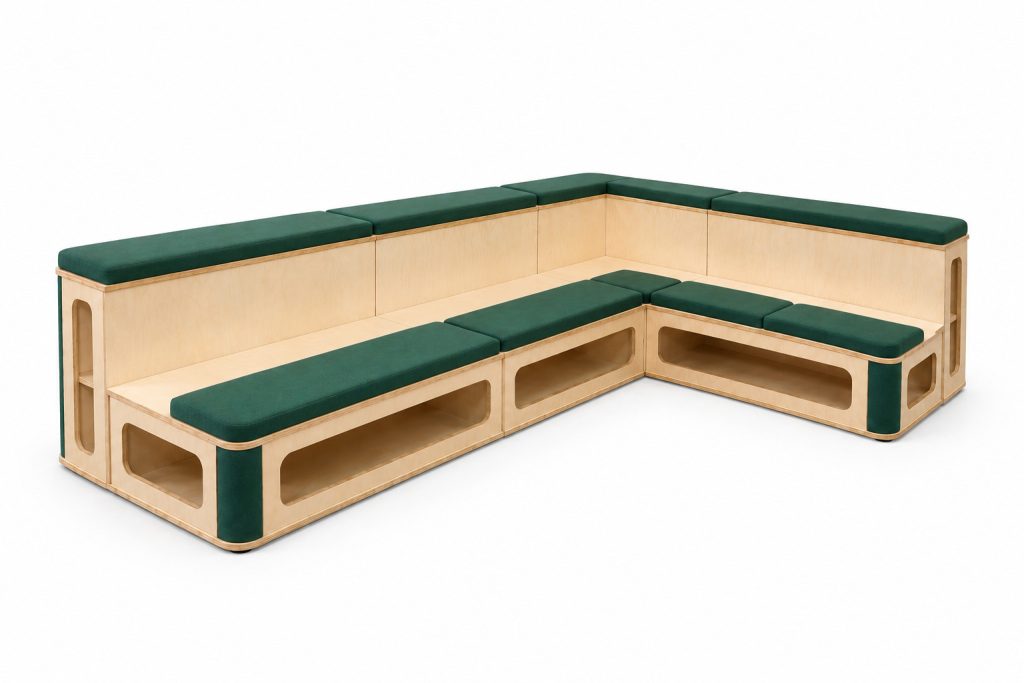
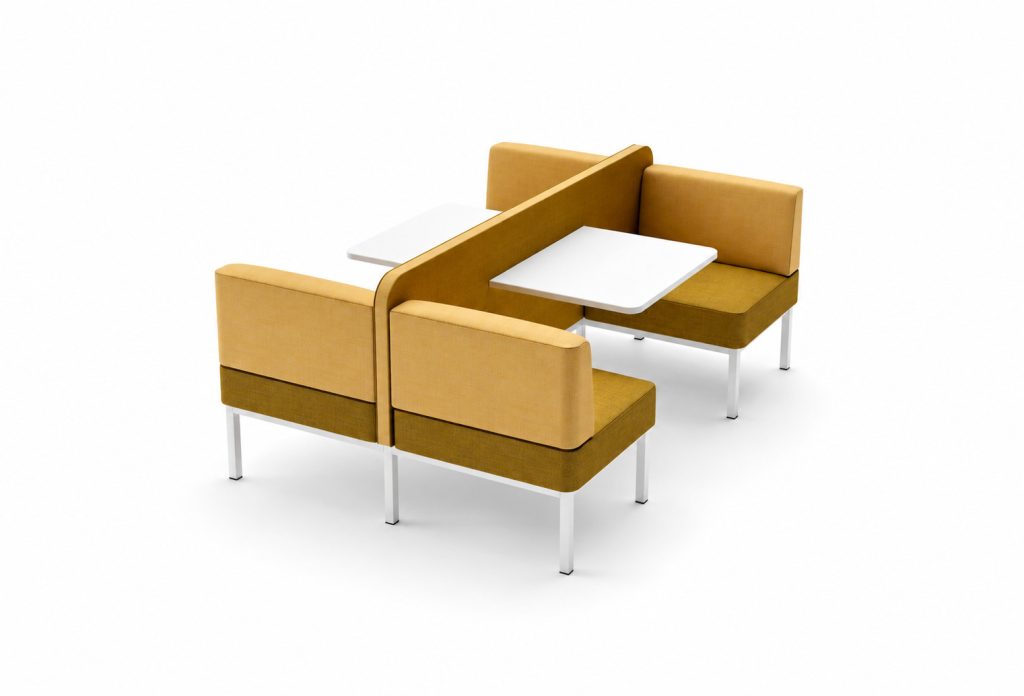
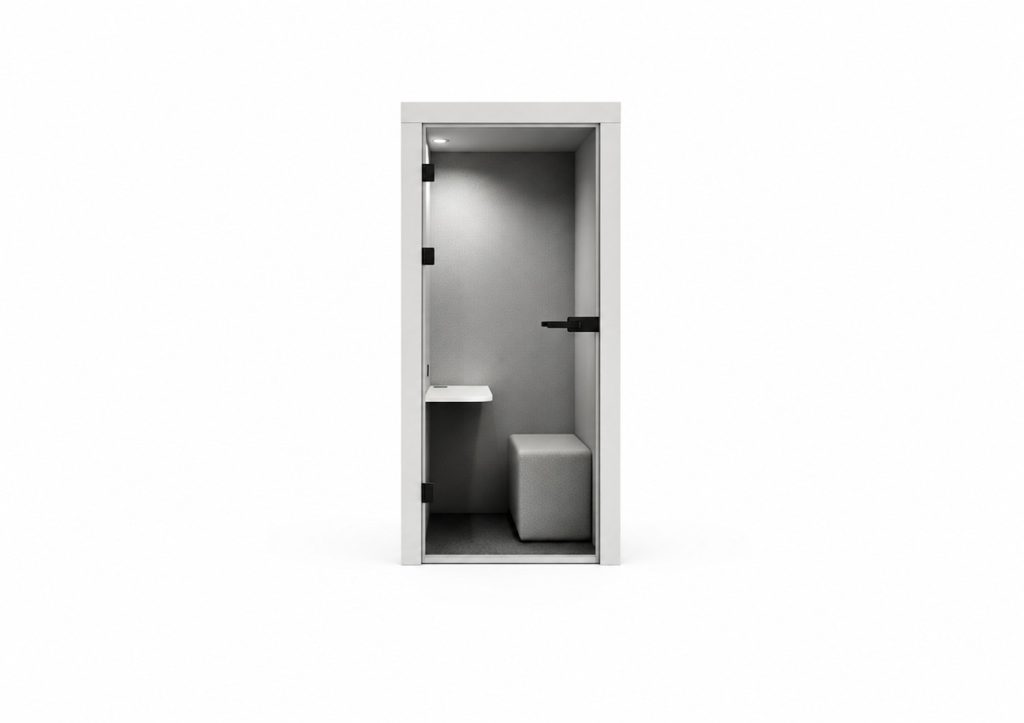
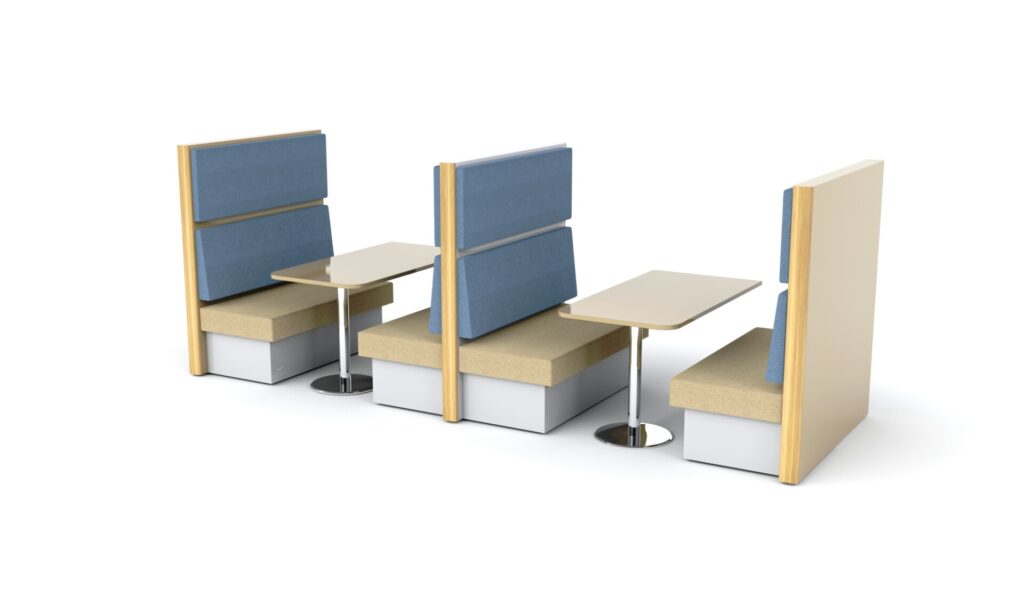
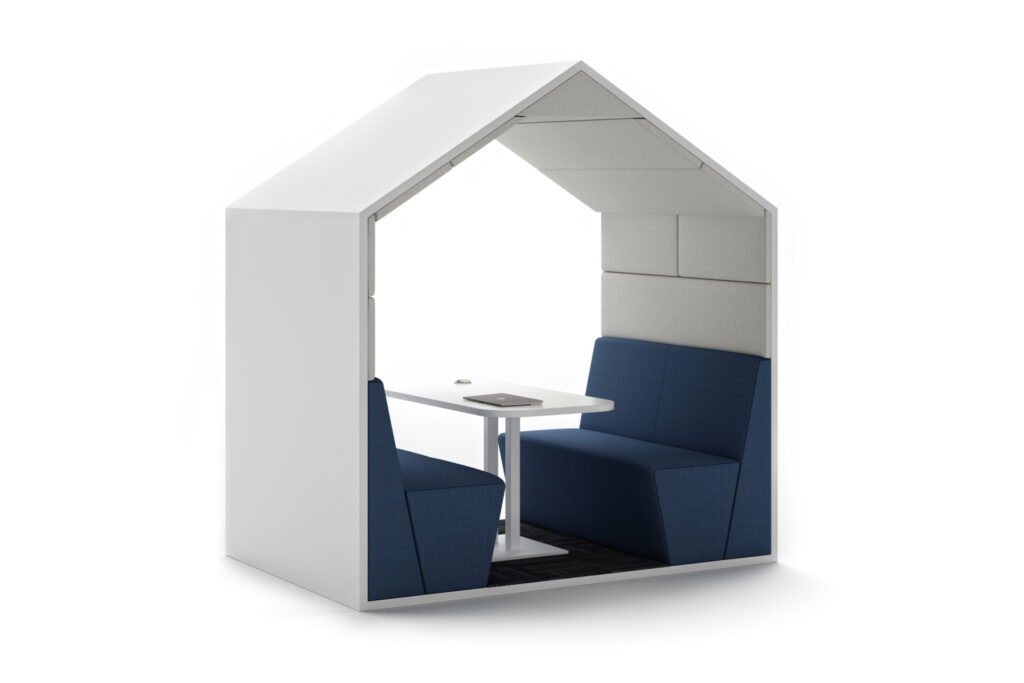
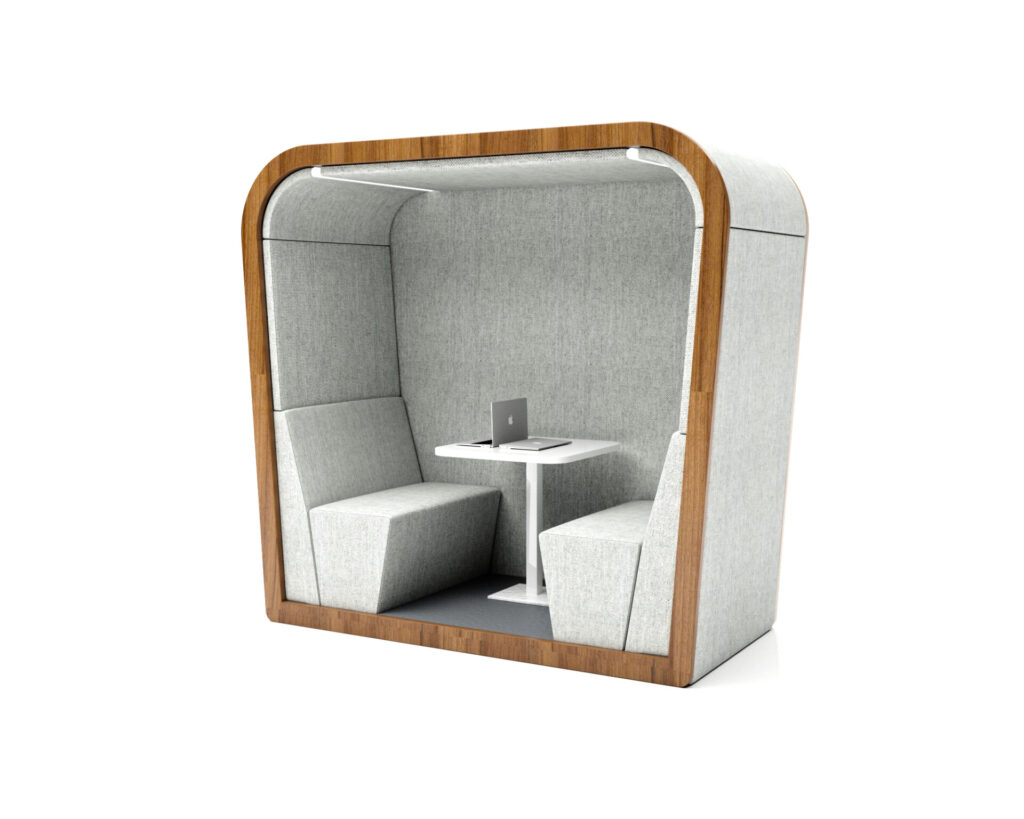
A breakout space only works if people feel comfortable using it. This means considering acoustic separation – soft upholstery, high-backed booths and sound-absorbing materials help create a sense of enclosure without isolation. It also means offering variety: some people recharge through quiet solitude, others through informal chat. Tiered seating supports team gatherings and impromptu presentations, while smaller sofas and tables accommodate pairs or individuals. The most successful breakout areas feel distinct from the main workspace in materiality and atmosphere, yet remain visually connected to the broader office environment.
When selecting breakout seating, consider traffic flow, cleaning requirements and how the space will be used throughout the day. Durable, wipeable fabrics make sense in high-use areas. Modular configurations allow the space to adapt as team needs evolve. Think too about power access – even informal spaces benefit from discreet charging points. The goal is furniture that invites use without demanding formality, supporting the natural rhythms of a working day.
This depends on your team size and how you want the space to function. As a starting point, allow approximately 2–3 square metres per person for comfortable informal seating. A mix of furniture types – booths, sofas, occasional tables – typically requires more space than uniform seating but offers greater flexibility.
Reception furniture is designed primarily for visitors and tends to prioritise visual impact and brand expression. Breakout furniture is for staff use throughout the day, so comfort, durability and acoustic performance take precedence. The two can share aesthetic language, but their functional requirements differ.
Some degree of acoustic distinction helps people mentally transition into a different mode. High-backed booths and upholstered screens can provide this without full enclosure. Complete silence isn't the goal – a gentle ambient difference signals that this is a space for a different kind of activity.
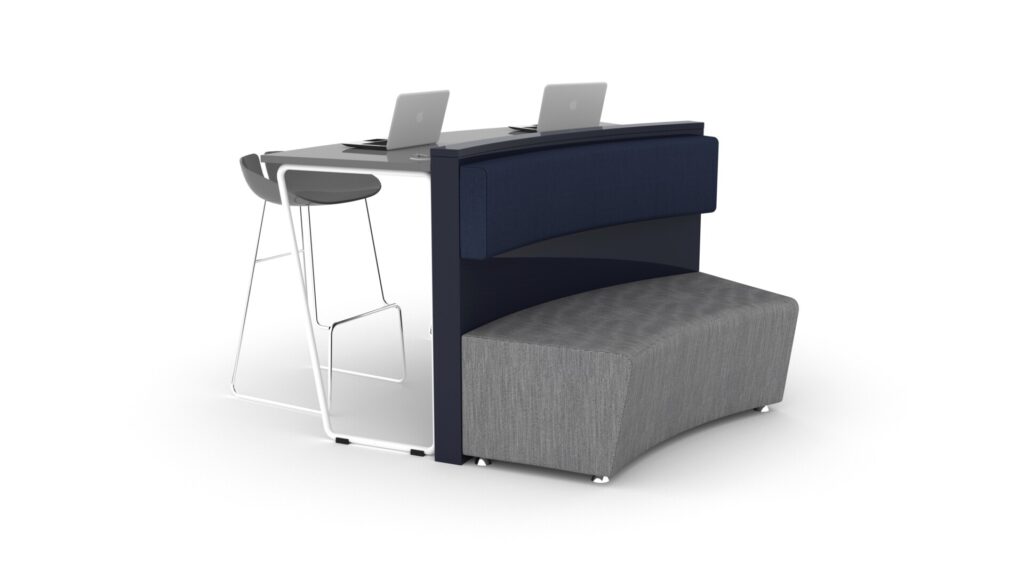
Absolutely. Many teams use breakout areas for quick catch-ups, one-to-ones and collaborative sessions that don't require a formal meeting room. Choosing furniture with integrated power and adequate table surfaces makes these interactions more practical without formalising the space.
We use cookies to enhance your browsing experience, analyse website traffic and improve our services. You can accept all cookies, reject non-essential cookies or manage your preferences at any time.