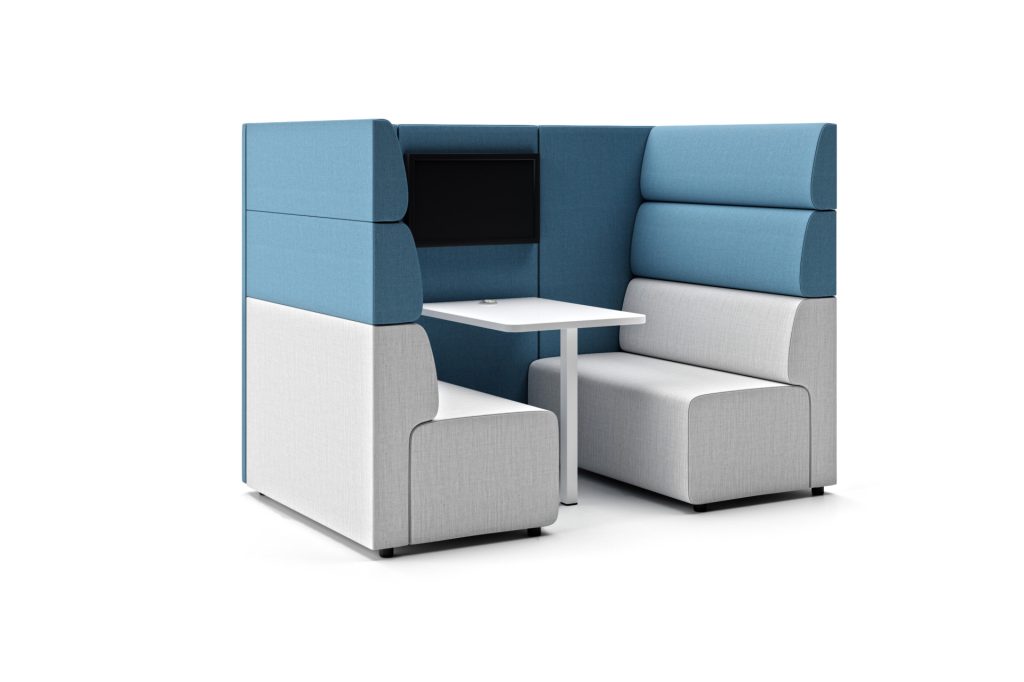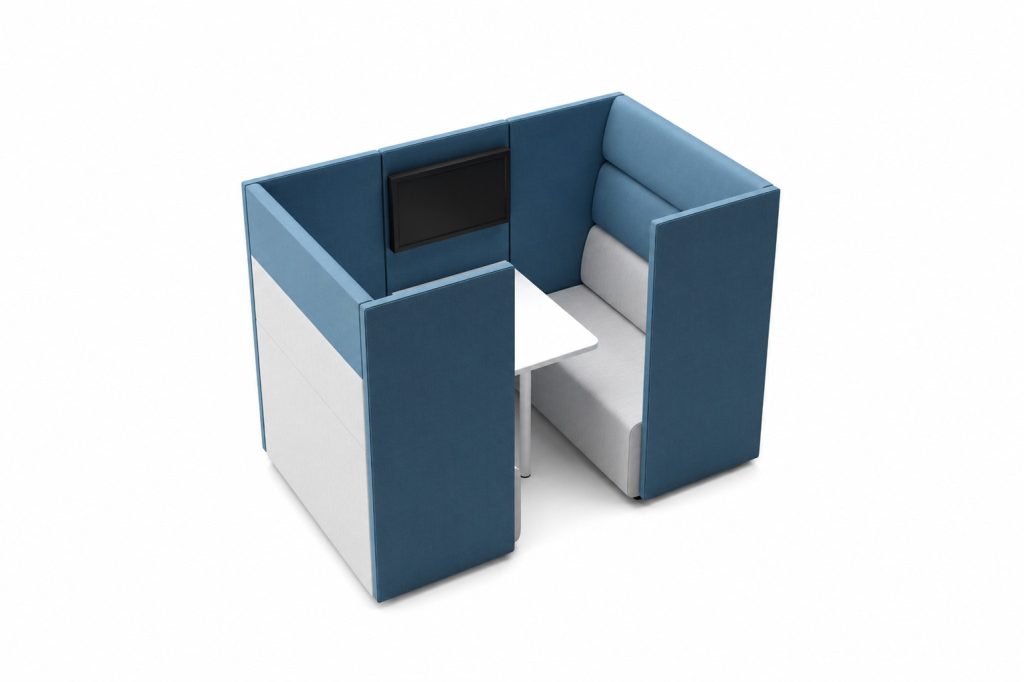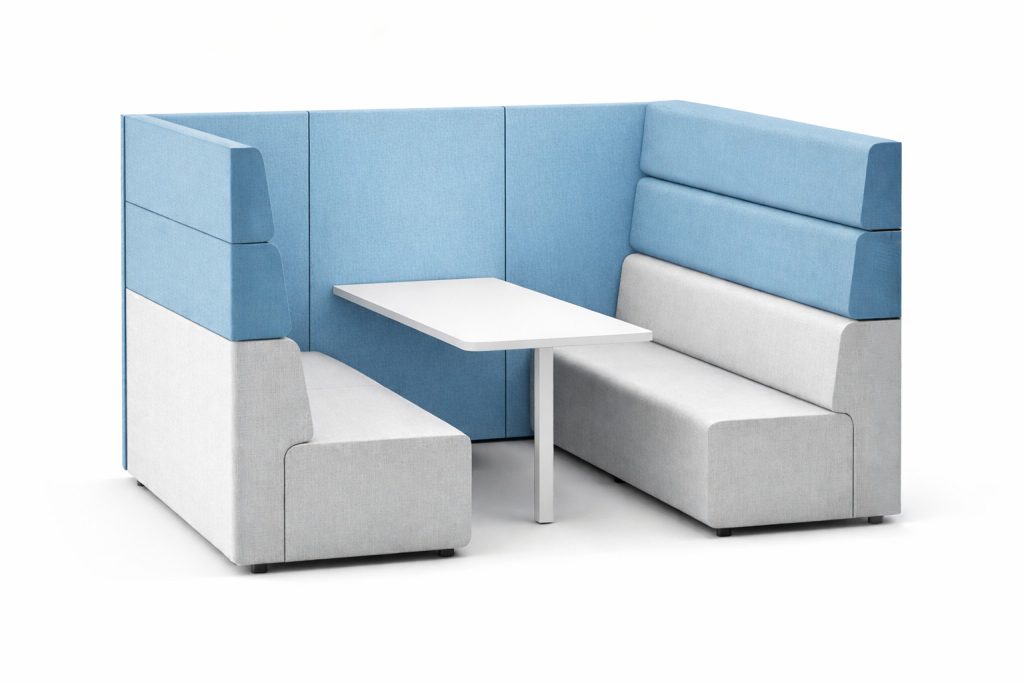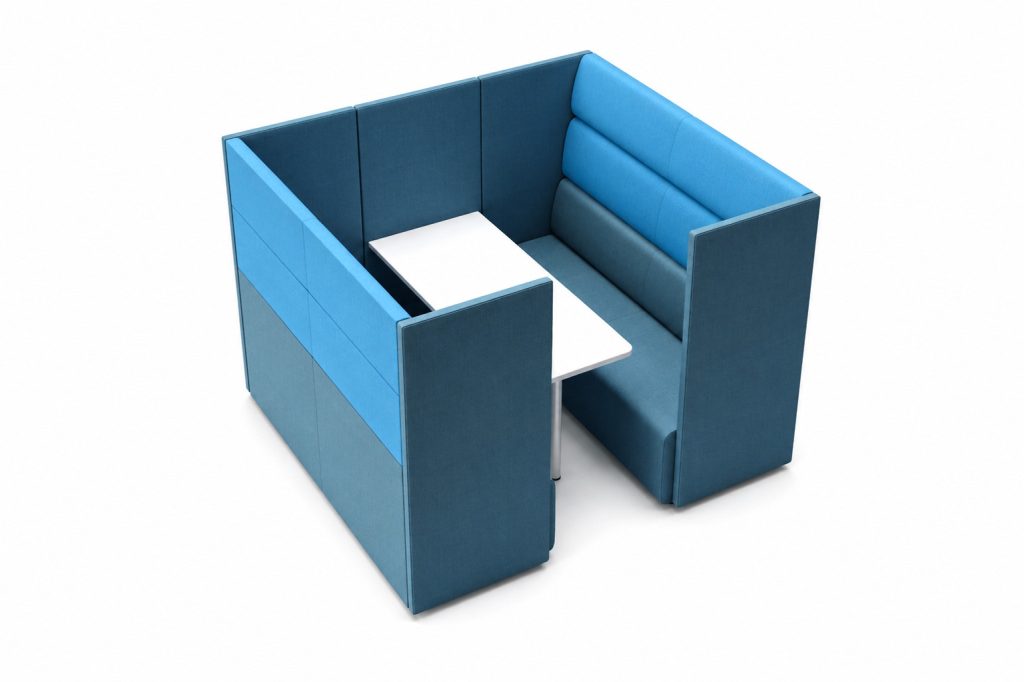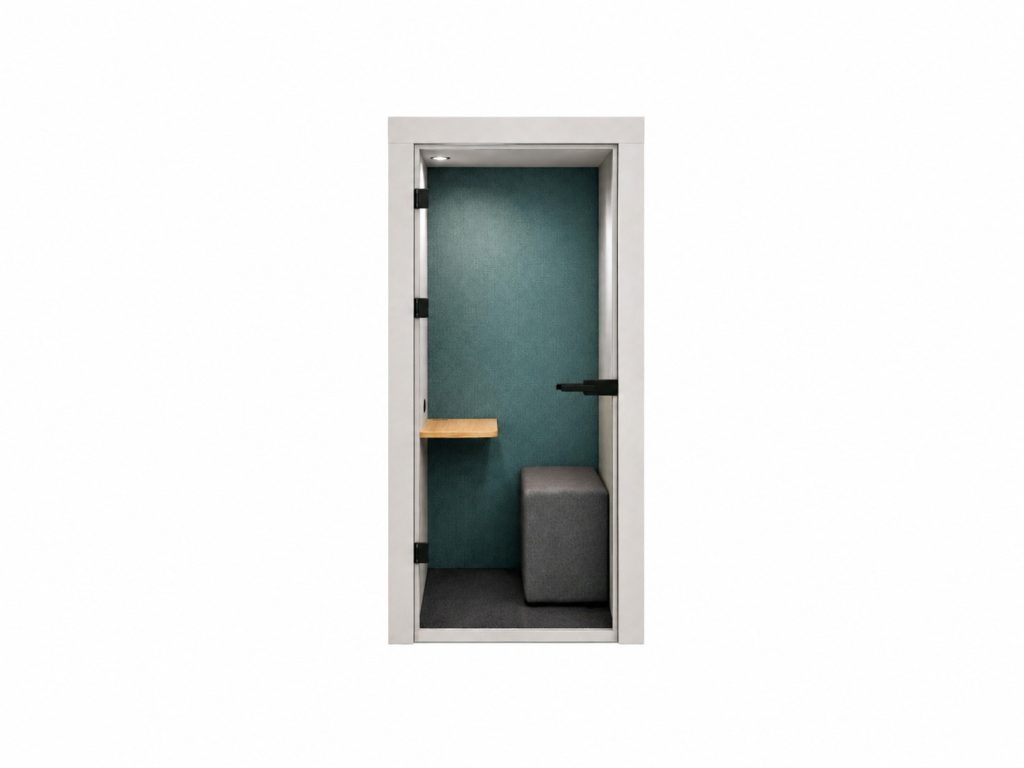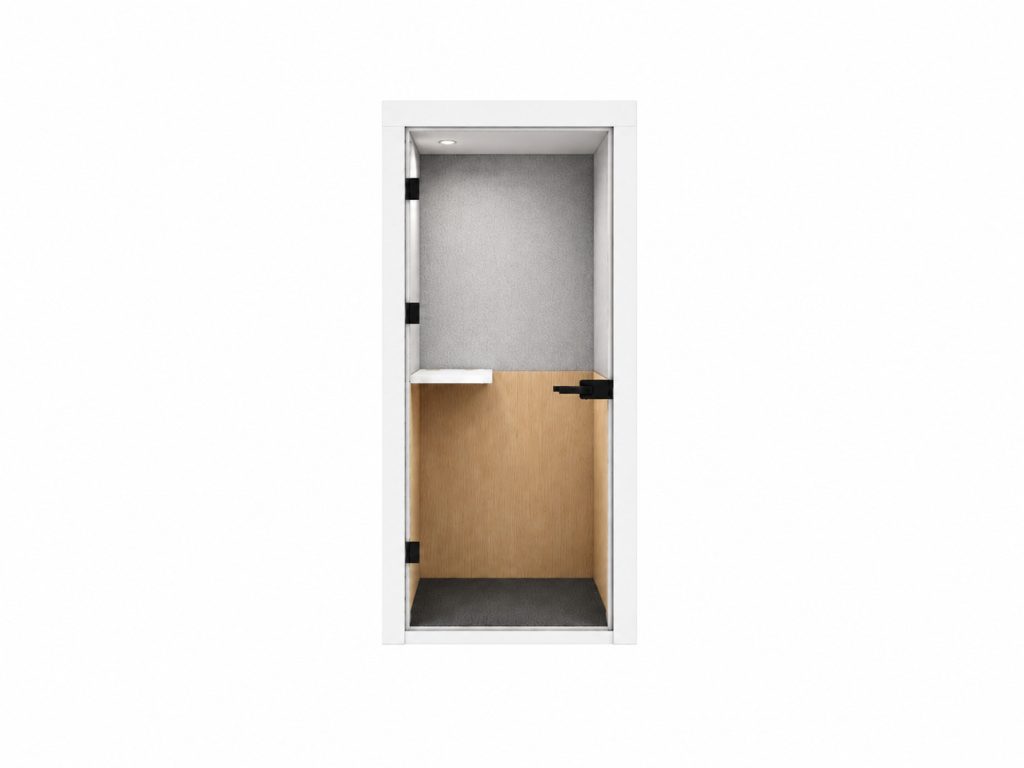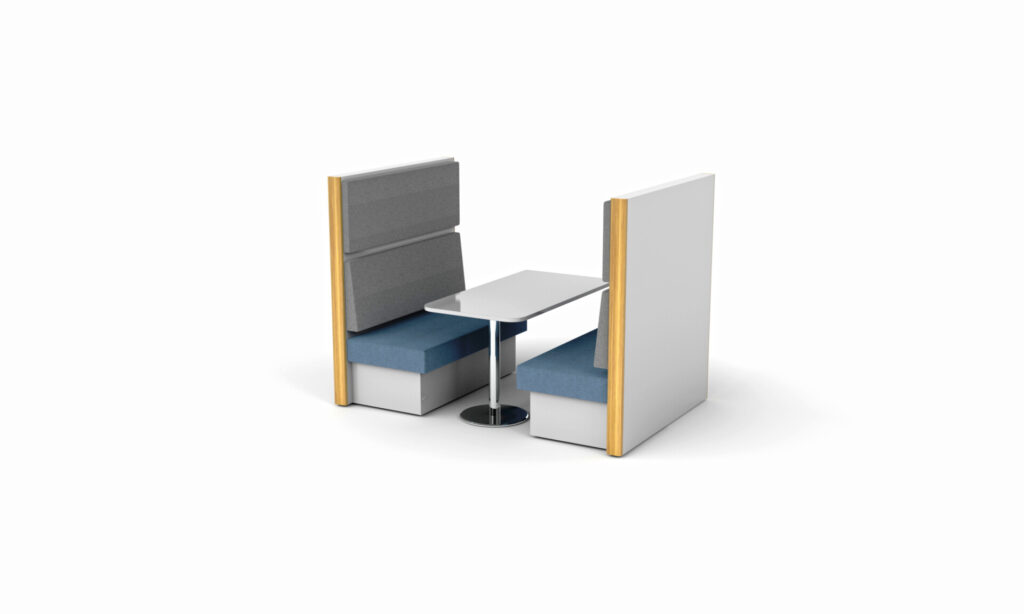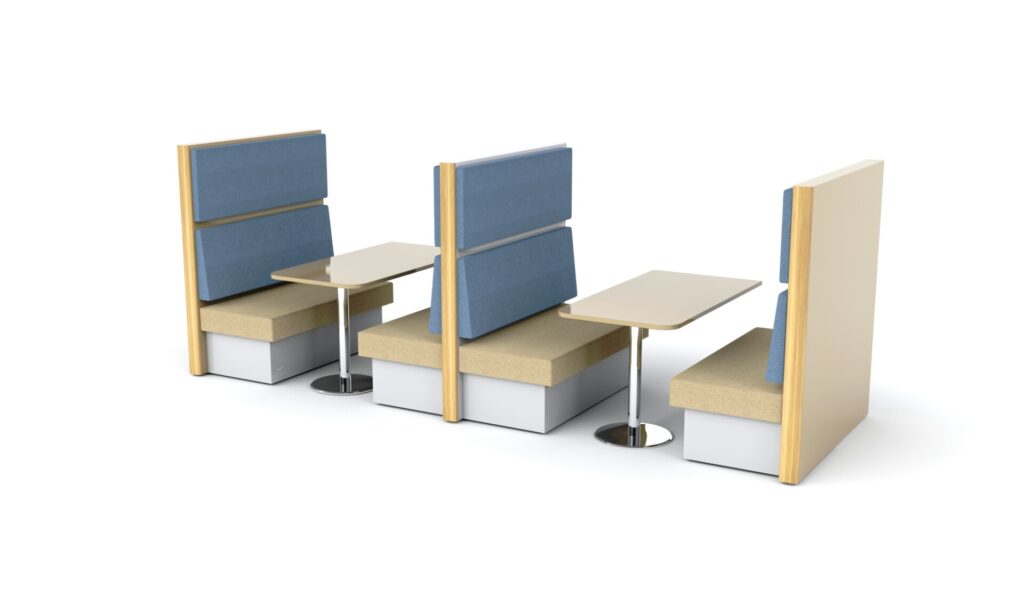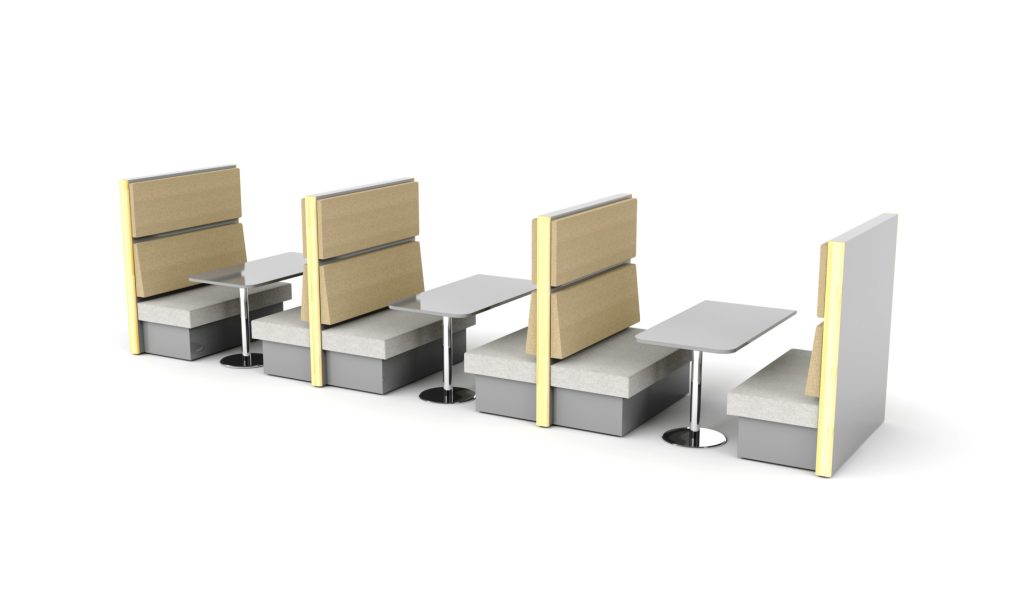

Booth seating for the office offers something increasingly rare in open-plan environments – a sense of enclosure without isolation. These high-backed upholstered pieces create semi-private zones where conversation flows naturally and concentration comes easier. The acoustic properties of the raised sides absorb sound and reduce visual distraction, making booth seating a practical response to the cognitive demands of modern workspaces.
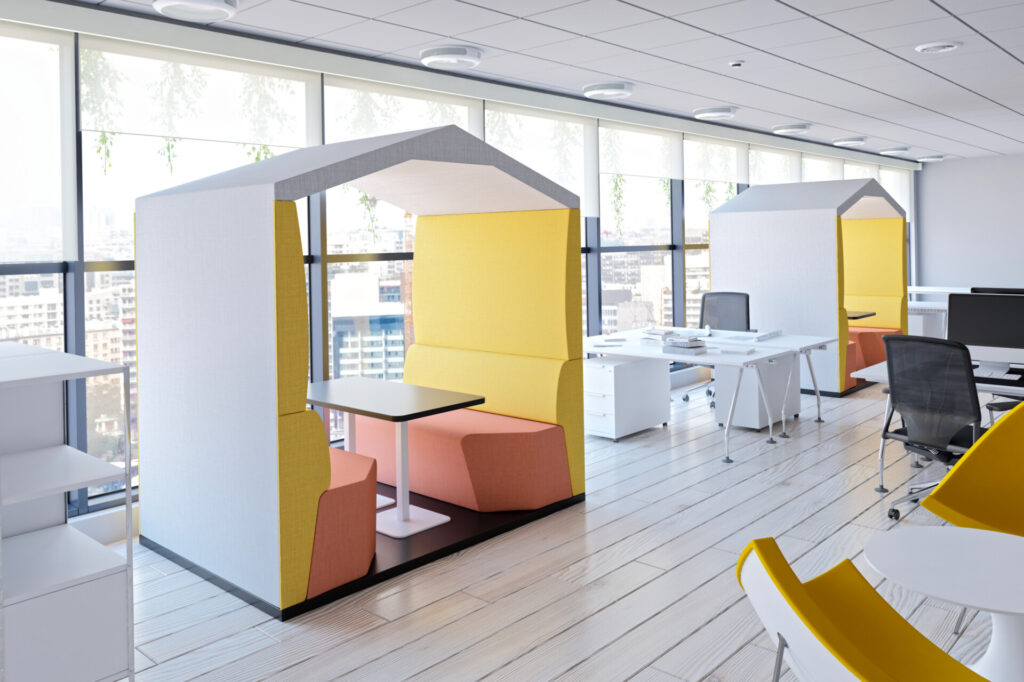
Open offices can reduce concentration by up to 60%, largely because our brains are wired to monitor movement and sound in our peripheral awareness. Booth seating addresses this directly. The high sides create a visual boundary that signals safety to the nervous system, allowing people to settle into focused conversation or quiet work. For the one in five people who experience the world differently – those with ADHD, autism, or sensory sensitivities – this kind of defined space can be the difference between productive engagement and overwhelming fatigue. The upholstered surfaces also play an acoustic role, softening reverberation and reducing the ambient noise that accumulates in hard-surfaced interiors.
When specifying booth seating for office environments, consider both the activity and the architecture. Will the booths support informal meetings, focused collaboration, or dining? Each use suggests different proportions – deeper seats for relaxed conversation, more upright profiles for working sessions. Think about sightlines too: booths can define zones within larger floorplates, creating rhythm and variety without permanent walls. Fabric selection matters for both durability and sensory experience – tactile, high-quality upholstery invites people to stay and engage, while robust construction ensures the pieces age gracefully under daily use.
The best workspace design offers choice – places to gather, places to retreat, places to think. Booth seating occupies a valuable middle ground, social enough for collaboration yet enclosed enough for concentration. For architects and designers working with neurodesign principles, booths provide an elegant solution that respects how people actually feel and function in space. They bring warmth and softness to commercial interiors, countering the hard edges and reflective surfaces that can make offices feel relentless.
The high upholstered backs and sides absorb sound waves that would otherwise bounce off hard surfaces, reducing reverberation and background noise. This creates a quieter microenvironment within the booth itself and contributes to better overall acoustic comfort in open-plan spaces.
For informal meetings of two to four people, booths with generous seat depths and high backs of high or more typically work well. Larger configurations can accommodate six or more, though it's worth considering whether a longer run or an L-shaped arrangement better suits your floor plan.
Yes – fabric choices, finishes, and dimensions can typically be tailored to align with your brand identity and spatial requirements. Bespoke configurations allow booths to integrate seamlessly with existing furniture and architectural elements.
Booth seating can be particularly supportive for neurodiverse individuals who benefit from reduced visual and auditory stimulation. The enclosed form provides a sense of shelter that helps manage sensory input, making it easier to focus and feel comfortable in busy environments.
Booths work well at the edges of open-plan areas, near circulation routes where they can catch informal conversations, or clustered to create a dedicated collaboration zone. Avoid placing them directly beneath harsh lighting or next to high-traffic thoroughfares where the sense of enclosure would be undermined.
We use cookies to enhance your browsing experience, analyse website traffic and improve our services. You can accept all cookies, reject non-essential cookies or manage your preferences at any time.